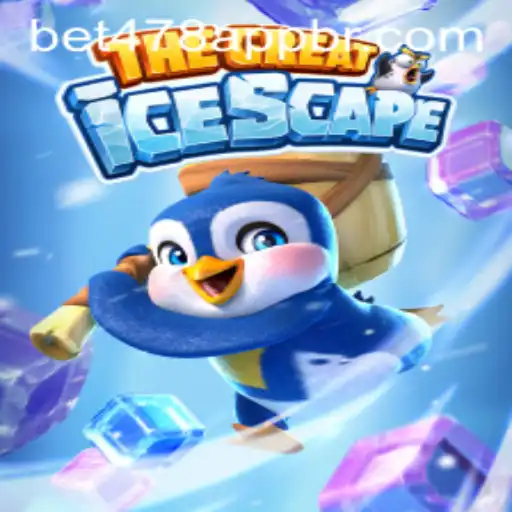
Explore "TheGreatIcescape" Phenomenon with bet478 PH Login
Dive into the icy world of 'TheGreatIcescape' and learn how bet478 PH Login brings the thrill to life for online gamers.


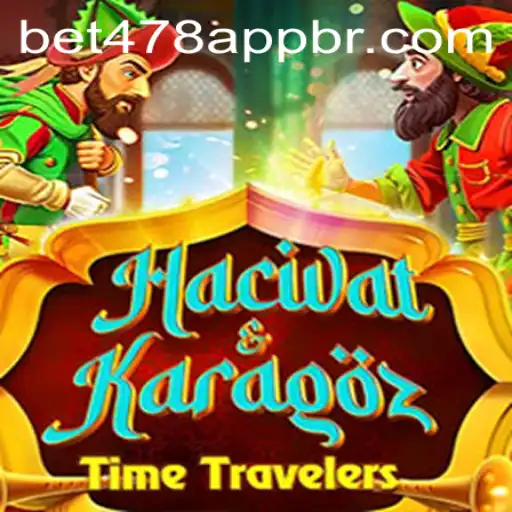
The game Hacivat and Karagoz has been an integral part of Turkish culture for centuries. Known for its vibrant and humorous dialogue, this shadow play has entertained audiences through the unique art of silhouette puppetry. Despite the advent of modern entertainment forms, Hacivat and Karagoz remain beloved in contemporary times, captivating not only nostalgia-seeking adults but also introducing young generations to their rich cultural heritage.
Hacivat and Karagoz is believed to have originated during the Ottoman period. The primary characters, Hacivat and Karagoz, represent different facets of society which often leads to comic situations filled with witty banter and reflections on societal issues. Hacivat, portrayed as educated and articulate, often finds his schemes disrupted by the notoriously mischievous Karagoz.
The essence of the game lies in its simplicity, with shadow puppets made of leather that are articulated on a white backdrop. During performances, a light source projects the shadows onto the screen, bringing the puppets' stories to life. The play is traditionally performed by a single puppeteer, known as a karagözcü, who manipulates the puppets and voices all characters.
The structure of a typical Hacivat and Karagoz performance follows a predictable pattern. It usually begins with a prologue known as the mukaddime, where Hacivat takes the stage alone, promptly joined by Karagoz. This is followed by a series of fasil, or acts, where various scenarios unfold generally involving miscommunication and humorous folly, often imparting moral anecdotes.
The overarching rules are often guided by themes and discretion of the karagözcü. Performances may incorporate topical references or contemporary events, adapting traditional tales to modern contexts. Key to maintaining audiences' attention is witty dialogue, often improvised by the puppeteer enlivening the age-old narrative conventions.
Though Hacivat and Karagoz faced challenges in the era of digital entertainment, there has been a cultural revival supported by educational initiatives across Turkey. Festivals and cultural events frequently feature Hacivat and Karagoz performances, ensuring that this traditional art form finds its place amid contemporary audiences and preserves its cultural significance for future generations.
In recent times, the intersection of tradition and technology has facilitated a revival of traditional forms on digital platforms. The COVID-19 pandemic acted as a catalyst, with virtual performances of Hacivat and Karagoz gaining popularity, thus reaching global audiences. This digital adaptation exemplifies resilience and adaptability while fostering an appreciation for cultural diversity worldwide.
In parallel, the gaming world has witnessed a surge in interest with online platforms such as Bet478, where traditional and modern games coexist. The keyword 'Bet478 PH Login' signifies an access point to a diverse gaming universe that mirrors how cultural games like Hacivat and Karagoz are becoming accessible to a wider audience. While not directly affiliated, the juxtaposition may allow for strategic partnerships to reintroduce traditional games in new formats. This bridging of conventional and contemporary highlights the importance of cultural preservation.
As we navigate through the digital revolution, embracing both traditional art forms and modern gaming landscapes paves the way for cultural enrichment. Hacivat and Karagoz, with its enduring appeal and adaptability, continue to contribute to our understanding of cultural storytelling, reminding us of the timeless nature of well-crafted narratives.
If you're looking for a reliable, fully licensed, and secure sportsbook with a wide selection of games, bet478 PH Login is the perfect choice. We're committed to providing you with the best online betting experience, with premium quality, excellent service, and continuous innovation. Sign up now and receive ₱777 for free!
Join now
Get the latest information, experience and betting strategies from the expert team at bet478 PH Login.
Dive into the icy world of 'TheGreatIcescape' and learn how bet478 PH Login brings the thrill to life for online gamers.

Explore the enchanting world of ChristmasCrash, a captivating game that brings festive cheer and excitement to players worldwide. Discover its features, rules, and unique appeal.

Explore the electrifying world of PenaltyShootOut, a captivating game that combines the excitement of sports and gaming, with insights into its introduction, game mechanics, and rules.

Explore the exciting world of Lucky777 with a detailed introduction, gameplay rules, and the latest trends in the gambling industry.
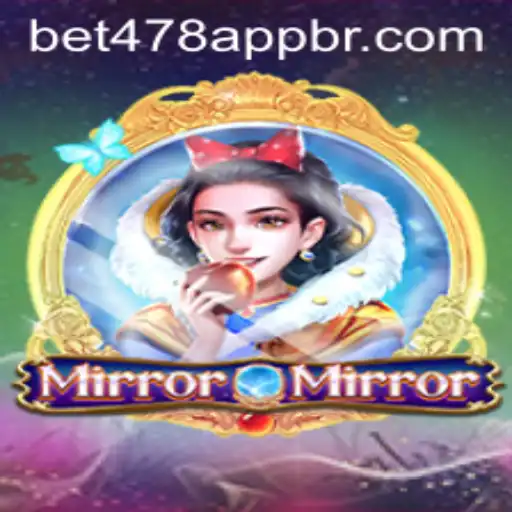
Dive into the captivating universe of MirrorMirror, a game that intertwines beauty and strategy. Learn about its unique mechanics, rules, and the convenience of accessing the game via Bet478 PH Login.

Immerse yourself in the captivating universe of OrientalBeauty, an engaging game that blends cultural aesthetics with compelling gameplay mechanics.
 Join now